 English
- All
- Product Name
- Product Keyword
- Product Model
- Product Summary
- Product Description
- Multi Field Search
English


Views: 0 Author: Site Editor Publish Time: 2026-01-26 Origin: Site


In any factory setting, especially those involved in paper, packaging, or textile industries, precision and efficiency in cutting processes are crucial. The Automatic Cross Cutter System plays a pivotal role in improving productivity and ensuring high-quality cuts. These machines are designed to automate the cutting of materials such as paper, textiles, films, and more, providing precise and repeatable cuts while reducing human labor. However, with many options available on the market, choosing the right Automatic Cross Cutter System for your factory can be a daunting task.
The key to selecting the ideal system lies in understanding the specific needs of your factory, including the type of material you work with, the volume of production, and the desired cut quality. A Hydraulic Powered Copy Paper Cutting Machine, for example, is an excellent choice for cutting paper with high precision and efficiency, but it’s essential to ensure that it aligns with your production demands.
This article will guide you through the critical considerations when choosing an Automatic Cross Cutter System. We will discuss the factors to evaluate, key features to look for, and how these systems can boost your factory’s efficiency and cut quality. By the end of this guide, you will be well-equipped to make an informed decision for your factory’s cutting needs.
Before diving into the selection process, it’s important to understand what an Automatic Cross Cutter System is and its role in a manufacturing environment.
An Automatic Cross Cutter System is a machine designed to cut materials across their length (or width) into precise sections, typically used in industries like paper manufacturing, textiles, and packaging. These systems are equipped with automated features that allow for high-speed cutting with minimal human intervention, improving both precision and efficiency.
Cross Cutting: The primary function is to make precise cuts across the material, often at right angles to the material’s length.
Automation: Automated feeding systems, cutting controls, and the ability to adjust cutting parameters without manual input.
Speed and Efficiency: Designed for high-volume production, they can operate continuously without compromising quality.
Choosing the right Automatic Cross Cutter System requires careful consideration of various factors that will impact your factory’s performance and efficiency. Below are the key aspects to evaluate before making your decision:
Different materials require different cutting methods, and not all cross cutter systems are suited for every material. For instance, cutting paper requires a different approach compared to cutting textiles or plastic films. The Hydraulic Powered Copy Paper Cutting Machine is ideal for cutting paper, ensuring precise and clean cuts, while other systems may be better suited for textiles or thicker materials.
Material Type: Ensure the cross cutter is compatible with your materials—paper, fabric, plastic, etc.
Thickness: Verify the machine can handle the thickness of the material you need to cut.
Material Type | Recommended Cutter System |
Paper | Hydraulic Powered Copy Paper Cutting Machine |
Fabric | Rotary or Knife Cutter Systems |
Plastic Films | High-Speed Cross Cutter with Adjustable Blade |
One of the most important factors in choosing a cutting system is the precision of the cuts. The accuracy of the cuts impacts the quality of the final product, as well as the overall production efficiency. For example, if your factory works with delicate materials or requires tight tolerances, investing in a system that ensures high cutting precision is essential.
Tolerance: Look for systems that offer adjustable settings for varying cutting requirements.
Cutting Speed: High-speed systems can improve throughput without sacrificing quality.
The speed at which the machine can cut and the volume of material it can process are crucial considerations, especially if you run a high-volume production environment. A faster system can significantly reduce cycle times, allowing for higher throughput.
Speed: Choose a system that can keep up with your production demands without compromising quality.
Volume: If your factory has high output needs, look for machines that are designed for heavy-duty use with robust capabilities.
Production Needs | Suggested Cutter System |
High Volume | High-Speed Automatic Cross Cutter |
Low to Medium Volume | Precision Cross Cutter with Adjustable Speed |
When evaluating different Automatic Cross Cutter Systems, it's essential to identify the key features that will align with your factory's needs. Below are some features to consider:
Many Automatic Cross Cutter Systems come with either hydraulic or mechanical power. A Hydraulic Powered Copy Paper Cutting Machine is an excellent choice for cutting paper due to its ability to apply consistent and powerful pressure, ensuring clean and precise cuts, even with thicker materials. Hydraulic systems are generally preferred for tasks requiring more force, whereas mechanical systems are typically suitable for lighter, faster applications.
Hydraulic Systems: Ideal for thicker materials or where high cutting pressure is required.
Mechanical Systems: Suitable for lighter and faster applications.
Having adjustable settings for cutting speed, pressure, and blade position is essential for versatility. Whether you’re switching between different material types or changing production volumes, an adjustable machine can accommodate these changes without requiring a new system.
Speed Control: Look for systems with variable speed settings to optimize performance based on material type and cutting requirements.
Pressure Control: Adjustable pressure helps ensure clean cuts, especially for thicker materials.
Automation is a key feature of modern Automatic Cross Cutter Systems, reducing the need for manual labor and improving overall efficiency. Key automation features include:
Automatic Feeders: These feeders load the material into the machine automatically, increasing speed and reducing human error.
Cutting Controls: Advanced machines come with digital control panels to fine-tune cutting parameters.
Sensors and Monitoring: Real-time monitoring systems help track performance, detect faults, and ensure consistent quality.
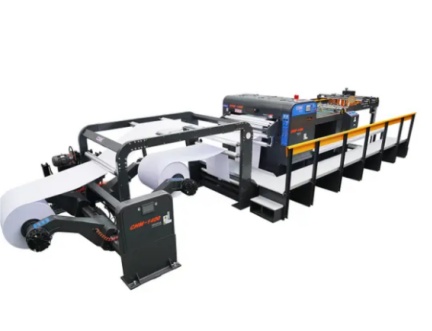
Investing in a high-quality Automatic Cross Cutter System brings numerous benefits to a manufacturing operation, improving efficiency, precision, and safety. Below are some of the primary advantages:
By automating the cutting process, manufacturers can significantly reduce cycle times and improve overall production throughput. Automation also reduces labor costs and ensures a more streamlined workflow.
With precision cutting capabilities, the system ensures that every cut is uniform and accurate, leading to better-quality products and fewer defects in the final output.
Automated systems reduce the need for manual intervention, which can minimize the risk of accidents and injuries. The machine also ensures that blades are properly maintained and operated within safe parameters.
Though the initial investment in a high-quality Automatic Cross Cutter System may seem significant, the long-term savings in terms of labor costs, material wastage, and improved throughput make it a worthwhile investment.
To ensure optimal performance and longevity of your Automatic Cross Cutter System, there are several best practices to follow:
Routine maintenance is crucial to keep your system running at peak performance. Regularly check for wear and tear, replace worn parts, and clean the system to prevent malfunctions that can disrupt production.
Ensure that all operators are thoroughly trained in the machine's settings, safety protocols, and troubleshooting. Proper training will minimize the risk of operator error and maximize the machine’s efficiency.
Use real-time monitoring systems to track cutting performance, material feed, and production rates. This data helps identify areas of improvement and potential maintenance needs.
Choosing the right Automatic Cross Cutter System for your factory is crucial for improving production efficiency, ensuring high-quality cuts, and enhancing overall safety. By understanding the key features, evaluating your specific needs, and considering the benefits and challenges, you can make an informed decision that will optimize your factory’s operations.
At Dong Guan Chun Hing Mechanical Technology Co., Ltd., we specialize in providing state-of-the-art Automatic Cross Cutter Systems that are designed to meet the diverse needs of manufacturers. Our machines are built for durability, precision, and efficiency, helping you achieve consistent, high-quality results. Whether you're looking to enhance your cutting processes or improve production efficiency, our team is here to offer tailored solutions that will take your operations to the next level.
What factors should I consider when choosing an automatic cross cutter system?
Consider factors such as material type, thickness, production speed, and desired cut quality when choosing the right system.
How does a hydraulic-powered cutting machine differ from a mechanical one?
Hydraulic systems provide more powerful, consistent cutting for thicker materials, while mechanical systems are faster and better suited for lighter applications.
What maintenance is required for an automatic cross cutter system?
Regular maintenance includes cleaning, checking for wear and tear, replacing parts, and calibrating the system for optimal performance.
Can an automatic cross cutter system improve production efficiency?
Yes, automation reduces cycle time, increases throughput, and minimizes human error, all of which contribute to higher production efficiency.


