 English
- All
- Product Name
- Product Keyword
- Product Model
- Product Summary
- Product Description
- Multi Field Search
English


Views: 0 Author: Site Editor Publish Time: 2025-12-30 Origin: Site


Are your paper sheeting machines underperforming? Proper maintenance is crucial for maximizing efficiency and reducing costs. In this article, we’ll explore how to extend the lifespan of blades and improve your production process. You’ll learn practical tips and best practices to keep your machines running smoothly.
A paper sheeting machine is designed to cut large rolls of paper into smaller sheets. These machines are essential in various industries, from printing to packaging, where precision and efficiency are vital. They ensure that the paper is cut accurately, meeting specific dimensions for different applications.
There are several types of paper sheeting machines available, each catering to unique needs:
● High-Speed Sheeters: Ideal for large-scale production, these machines operate at rapid speeds, significantly increasing output.
● Commercial Sheeters: Designed for businesses requiring high-quality cuts, they balance speed and precision.
● Automatic Sheeters: These machines offer automated features, reducing manual intervention and enhancing operational efficiency.
For instance, CHM offers models like the CHM-1400 and CHM-SGT1700, which exemplify advanced technology in paper sheeting. The CHM-1400 is known for its versatility, suitable for various paper types, while the CHM-SGT1700 focuses on high-precision cutting, making it a favorite among commercial users.
Understanding the components of a paper sheeting machine helps in grasping its functionality. Here are the major parts:
1. Blades: The heart of the machine, blades determine the quality of the cut. High-quality blades, such as those made from SKH-9 alloy steel, ensure durability and precision.
2. Motors: These power the machine, driving the blades and other moving parts. Efficient motors contribute to the machine's overall speed and performance.
3. Control Systems: Advanced control systems, like the Siemens PLC used in CHM machines, allow for precise operation. Operators can easily adjust settings for different paper sizes and types.
Component | Description | Importance |
Blades | High-quality cutting tools | Essential for achieving clean cuts |
Motors | Power source for machine operation | Affects speed and efficiency |
Control Systems | Electronic systems for operation management | Enables precise adjustments and monitoring |
Each component plays a crucial role in the overall functioning of paper sheeting machines. For example, the combination of AC servo motors and advanced control systems enhances the machine's responsiveness and accuracy. By investing in high-quality components, manufacturers can ensure their machines deliver optimal performance, reducing downtime and maintenance costs.
In summary, understanding what a paper sheeting machine is and its key components lays the groundwork for effective maintenance practices. This knowledge is vital for maximizing the lifespan of blades and ensuring efficient production processes.
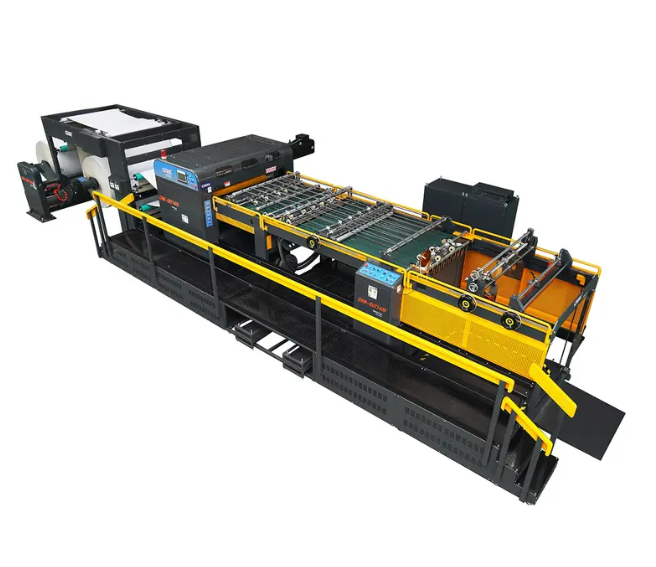
Maintaining the blades of a paper sheeting machine is crucial for ensuring optimal production quality. Blades in good condition produce clean, precise cuts, which directly impacts the finished product's appearance and usability. When blades become dull, the quality of cuts deteriorates, leading to issues like rough edges and uneven sheets.
The cost implications of blade maintenance versus replacement are significant. Regular maintenance can be a fraction of the cost of replacing worn-out blades. In fact, companies like CHM have demonstrated that proper blade maintenance can reduce operational costs by 30-50%. This statistic highlights how investing time in blade care can lead to substantial savings over time.
Cost Comparison | Maintenance Cost | Replacement Cost |
Initial Investment | Low | High |
Long-term Savings | Significant | Minimal |
Operational Efficiency | Improved | Decreased |
Neglecting blade maintenance can lead to several common issues that affect production efficiency. Dull blades are often the first sign of trouble. They can cause rough cuts, leading to paper tearing and waste. This not only affects the quality of the output but also increases the time spent on reworking defective sheets.
Signs of dull blades include:
● Rough Cuts: Edges appear jagged rather than smooth.
● Increased Paper Tearing: More frequent tearing during the cutting process.
● Longer Production Times: Operators may need to slow down the machine to compensate for poor cutting performance.
The consequences of ignoring blade maintenance extend beyond just the quality of cuts. Increased downtime is a significant issue, as machines may need to be halted for repairs or replacements. This downtime translates into higher operational costs, as production slows and deadlines may be missed.
In summary, the importance of regular blade maintenance cannot be overstated. It plays a vital role in maintaining production quality, reducing costs, and ensuring efficient operation of paper sheeting machines. By prioritizing blade care, manufacturers can enhance their productivity and profitability.
Daily cleaning is essential for maintaining the blades of a paper sheeting machine. A consistent cleaning routine helps prevent the buildup of paper dust and debris, which can dull blades over time. It’s important to clean both the blades and the cutting areas to ensure optimal performance.
Here are some effective cleaning practices:
● Use Soft Brushes: Gently brush away dust and debris from blades and surrounding areas.
● Non-Corrosive Cleaning Products: Choose cleaning agents that are safe for use on machines, such as mild detergents or specialized cleaners recommended by manufacturers like CHM.
Cleaning Product | Purpose | Safety Features |
Mild Detergent | General cleaning | Non-corrosive |
CHM-Approved Cleaner | Blade and machine care | Safe for all machine components |
Proper lubrication is key to extending blade life. It minimizes friction and wear, which can lead to premature dulling. Regular lubrication keeps the machine running smoothly and efficiently.
Recommended lubrication practices include:
● Frequency: Lubricate blades and moving parts at least once a week, or more frequently during heavy use.
● Types of Lubricants: Use CHM-approved lubricants, such as synthetic oils or greases designed for high-speed operations. These lubricants provide excellent protection against wear and tear.
Lubricant Type | Benefits | Application Areas |
Synthetic Oil | Reduces friction | Blade bearings and pivot points |
High-Performance Grease | Long-lasting protection | Gear systems and drive components |
Making the right operational adjustments is crucial for blade longevity. Avoiding blade overload and ensuring proper settings can significantly impact performance.
Here are some guidelines:
● Blade Depth and Pressure: Adjust these settings based on the thickness of the material being cut. For instance, thicker materials may require deeper cuts and higher pressure.
● Using the Siemens Touch Screen: On CHM machines, you can easily set parameters using the intuitive Siemens interface. For example, adjust the cutting depth by selecting the appropriate option on the screen.
Regular inspections are vital for identifying wear and damage before they become serious issues. Daily checks can help catch problems early, ensuring blades remain sharp and effective.
Inspection checklist:
● Look for Wear: Check for nicks or dull spots on blades.
● Schedule Sharpening: Depending on usage, blades should be sharpened every few weeks. Consider professional sharpening services for industrial-grade blades to maintain precision.
Inspection Aspect | Frequency | Action Required |
Blade Condition | Daily | Inspect for damage and wear |
Sharpening Schedule | Every 2-4 weeks | Arrange for professional service |
Incorporating these best practices into your maintenance routine will significantly extend the lifespan of blades in your paper sheeting machine. By focusing on cleaning, lubrication, operational adjustments, and regular inspections, you can enhance performance and reduce costs over time.
Modern paper sheeting machines come equipped with advanced features that significantly assist in maintenance. For instance, automatic web guiding systems ensure that the paper is fed into the machine correctly, reducing the risk of misalignment and subsequent blade wear. This technology not only enhances cutting precision but also minimizes the chances of blade damage due to improper feeding.
Another notable feature is touch screen controls. These intuitive interfaces allow operators to easily monitor machine settings and performance. With just a few taps, users can adjust blade depth, pressure, and speed, ensuring optimal cutting conditions. This level of control helps maintain blade effectiveness and extends their lifespan.
Feature | Description | Benefits |
Automatic Web Guiding | Aligns paper automatically | Reduces misalignment and blade wear |
Touch Screen Controls | User-friendly interface for settings | Enables quick adjustments for optimal cuts |
Additionally, technology plays a crucial role in monitoring blade performance. CHM machines, for example, utilize advanced automation features to track blade sharpness and operational efficiency. These systems can alert operators when maintenance is needed, preventing unexpected downtime and costly repairs.
Following manufacturer guidelines for maintenance is essential for maximizing the lifespan of your paper sheeting machine. These guidelines are designed to help users maintain their equipment effectively, ensuring that every component functions optimally. For instance, CHM provides specific recommendations on cleaning, lubrication, and inspection routines tailored to their machines.
Moreover, accessing technical support and training from manufacturers can greatly enhance maintenance practices. CHM is committed to customer support, offering training services that help operators understand the intricacies of their machines. This includes hands-on training sessions, online resources, and customer service assistance to address any questions or concerns.
Resource | Description | Benefits |
Manufacturer Guidelines | Detailed maintenance instructions | Ensures proper care and operation |
Technical Support | Access to expert assistance | Resolves issues quickly and efficiently |
Training Services | Hands-on training for operators | Enhances skills and knowledge |
By leveraging these technological advancements and utilizing manufacturer resources, operators can ensure their paper sheeting machines remain in peak condition. This proactive approach not only extends the lifespan of blades but also enhances overall production efficiency.
Dong Guan Chun Hing Mechanical Technology Co., Ltd. (CHM) is a leading manufacturer in the paper sheeting machine industry. Known for its innovative designs and high-quality products, CHM focuses on delivering machines that meet the diverse needs of its customers. One of the standout features of CHM’s machines is the use of premium blade materials, such as SKH-9 alloy steel. This material is renowned for its durability and longevity, ensuring that blades can withstand rigorous use while maintaining sharpness.
The advantages of using SKH-9 alloy steel include:
● Enhanced Durability: Blades made from this material resist wear and tear, leading to longer service life.
● Superior Cutting Performance: The hardness of SKH-9 allows for cleaner cuts, reducing the need for frequent sharpening.
● Cost-Effectiveness: With a longer lifespan, users save money on replacements and maintenance.
Blade Material | Benefits | Impact on Performance |
SKH-9 Alloy Steel | High durability and longevity | Reduces downtime and maintenance costs |
Standard Steel | Lower cost but shorter lifespan | Requires more frequent replacements |
CHM is dedicated to providing full life cycle technical support for its customers. This commitment ensures that users can maximize the efficiency and performance of their paper sheeting machines. After purchasing a machine, customers receive comprehensive support that includes training and maintenance services tailored to their specific needs.
Some key aspects of CHM’s after-sales support include:
● On-Site Training: Professional engineers provide hands-on training at the customer’s facility, ensuring operators are well-versed in machine functionalities and maintenance practices.
● Technical Assistance: CHM offers ongoing technical support, helping customers troubleshoot any issues that may arise during operation.
● Maintenance Services: Regular maintenance checks can be scheduled, allowing for proactive care that extends the lifespan of blades and other components.
Service Type | Description | Benefits |
On-Site Training | Hands-on training by professional engineers | Ensures proper operation and maintenance |
Technical Assistance | Ongoing support for troubleshooting | Quick resolution of issues |
Scheduled Maintenance | Regular checks and servicing | Prolongs equipment lifespan and efficiency |
By investing in both high-quality materials and robust after-sales support, CHM demonstrates its commitment to helping customers maintain their paper sheeting machines effectively. This focus on blade maintenance and overall machine care contributes to enhanced productivity and reduced operational costs for users.
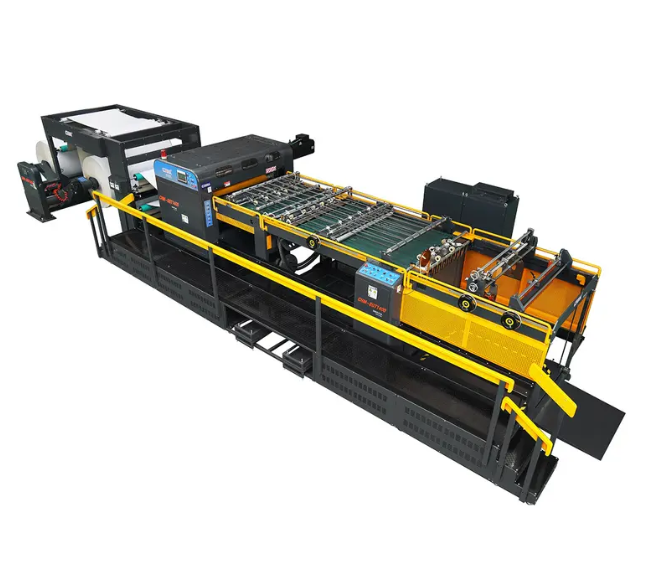
Real-world examples illustrate the impact of proper maintenance on blade lifespans for customers using CHM's paper sheeting machines. Several companies have reported significant improvements in their production efficiency and cost savings after implementing CHM's maintenance recommendations.
One notable case is a large printing company that adopted CHM's maintenance guidelines. By following a structured cleaning and lubrication schedule, they extended the lifespan of their blades by over 50%. This reduction in blade replacements not only saved money but also minimized downtime, allowing for smoother operations.
Another success story comes from a packaging manufacturer that faced frequent blade failures. After consulting with CHM’s support team, they adjusted their operational settings and adhered to regular inspections. As a result, they reported a drastic decrease in blade wear and a marked improvement in cut quality.
Customer Type | Challenge | Solution Implemented | Result |
Printing Company | Frequent blade replacements | Regular maintenance schedule | Blade lifespan increased by 50% |
Packaging Manufacturer | High blade wear | Operational adjustments and inspections | Improved cut quality and reduced downtime |
Customers have shared their experiences, highlighting the effectiveness of CHM’s maintenance recommendations. Here are some testimonials that showcase their satisfaction:
● John D., Operations Manager: "Since we started following CHM's maintenance schedule, our blade replacements have significantly decreased. The savings have been substantial, and our production runs smoother than ever."
● Lisa M., Production Supervisor: "The training provided by CHM was invaluable. It helped our team understand how to care for the machines properly. We’ve noticed a huge difference in blade performance and overall machine efficiency."
● Mark T., Plant Manager: "Implementing CHM’s recommendations not only extended our blade life but also improved the quality of our cuts. Our clients have noticed the difference, and we couldn’t be happier."
These success stories and testimonials reflect the positive outcomes that result from adhering to CHM's maintenance practices. By leveraging their expertise, customers can achieve remarkable improvements in both productivity and cost-effectiveness, enhancing their overall operational success.
In this article, we discussed the importance of maintaining paper sheeting machines. Key points included best practices for extending blade lifespan, leveraging technology, and CHM’s commitment to support.
We encourage readers to implement these maintenance practices to enhance machine performance. For more information on paper sheeting machines and maintenance support, contact CHM today!


