 English
- All
- Product Name
- Product Keyword
- Product Model
- Product Summary
- Product Description
- Multi Field Search
English


Views: 0 Author: Site Editor Publish Time: 2026-01-06 Origin: Site


Have you ever wondered how large rolls of paper become perfectly cut sheets? A copy paper cutting machine is the key to this process.
These machines are crucial in the paper processing industry, ensuring efficiency and precision.
In this article, you’ll learn about their functions, benefits, and why they matter to businesses.
A copy paper cutting machine is an advanced device designed to transform large rolls of paper into standardized sheets. The process begins with unwinding, where jumbo rolls are loaded onto the machine. This initial step is crucial as it sets the stage for the entire cutting operation.
Unwinding Process:
● Jumbo rolls are positioned on the machine.
● Tension is adjusted to ensure smooth feeding.
● Accurate alignment is critical for subsequent steps.
Next, the machine employs slitting, utilizing rotating blades to slice the wide roll into smaller, manageable widths. This method ensures that the paper is prepared for precise cutting.
Slitting Details:
● Blades rotate at high speeds.
● Multiple widths can be processed simultaneously.
● Quality control measures are implemented to ensure uniformity.
Following slitting, the machine engages in cross-cutting. Here, high-precision horizontal blades cut the paper strips into exact lengths, typically 297mm for A4 sheets. This level of accuracy is essential for maintaining quality in the final product.
Cross-Cutting Features:
● High-precision blades ensure clean cuts.
● Adjustable settings for different paper sizes.
● Automated counting for efficiency.
Finally, the machine automatically handles collection and stacking. Finished sheets are neatly stacked into piles, ready for packaging or further processing. This automation not only enhances efficiency but also reduces manual labor.
Collection & Stacking Process:
● Sheets are stacked automatically into reams.
● Optional packaging systems can seal the stacks.
● Streamlined workflow reduces handling time.
When it comes to copy paper cutting machines, there are two main types: manual and automatic machines. Manual machines require operators to perform various tasks, while automatic machines streamline the entire process, increasing speed and precision.
Comparison of Machine Types:
Type | Description | Typical Users |
Manual Machines | Require manual operation for cutting | Small offices, low volume |
Automatic Machines | Fully automated, high-speed cutting | Large printing shops, factories |
Industrial Machines | Designed for heavy-duty, high-volume production | Large manufacturers |
Office-Grade Machines | Suitable for standard office tasks | Small businesses, offices |
Additionally, these machines can be categorized into industrial and office-grade machines. Industrial machines are built for high-volume production, often found in large printing facilities. In contrast, office-grade machines are suitable for smaller operations, offering sufficient capabilities for everyday tasks.
Copy paper cutting machines play a vital role in various sectors. They are predominantly used in printing shops, where high-speed production is essential. These machines ensure that large rolls of paper are efficiently transformed into sheets ready for printing.
Applications in Printing:
● High-speed cutting for large print runs.
● Flexibility for different paper types and sizes.
● Integration with printing presses for seamless workflow.
In addition to printing, these machines are invaluable in offices where quick and accurate paper processing is required. They help businesses manage their paper supplies effectively, ensuring that they always have the necessary formats available.
Office Applications:
● Efficient processing of A4 and letter-sized papers.
● Support for various office tasks, from reports to presentations.
● Enhanced productivity through streamlined operations.
Moreover, in large-scale production facilities, copy paper cutting machines are essential for maintaining workflow and productivity. For instance, brands like Dong Guan Chun Hing Mechanical Technology Co., Ltd. (CHM) offer a range of models designed to meet diverse needs. Their CHM-A4 Series, for example, is tailored for A4 paper and integrates advanced technology for optimal performance.
Examples of Brands:
● CHM-SGT1700: Known for precision and speed.
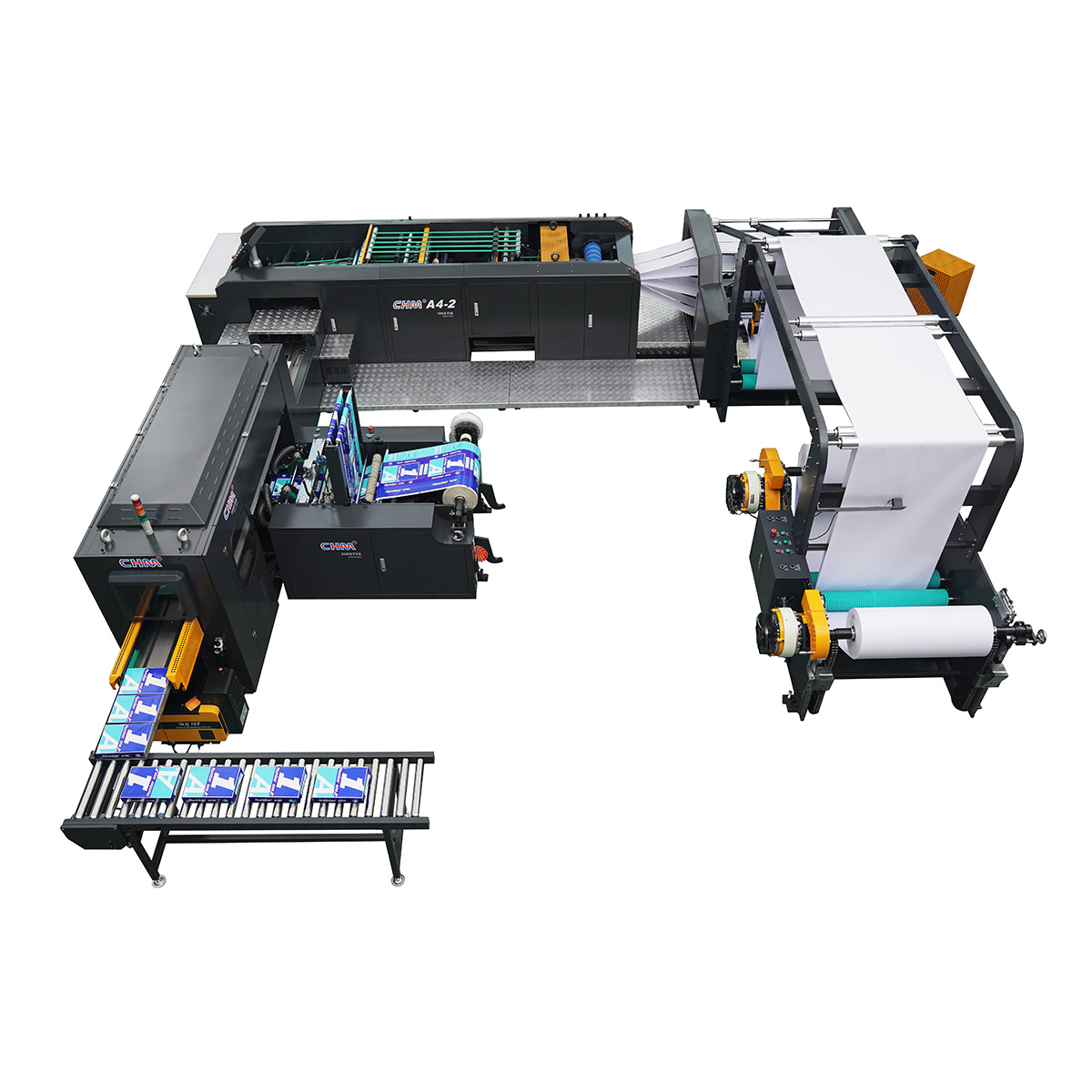
● CHM-A4-2: Combines cutting and automatic packaging.
● CHM-A4-4: Ideal for high-efficiency batch production.
In summary, understanding how a copy paper cutting machine operates, its types, and its applications is crucial for businesses looking to enhance their paper processing capabilities. These machines not only improve efficiency but also ensure high-quality output, making them a valuable investment in the paper industry.
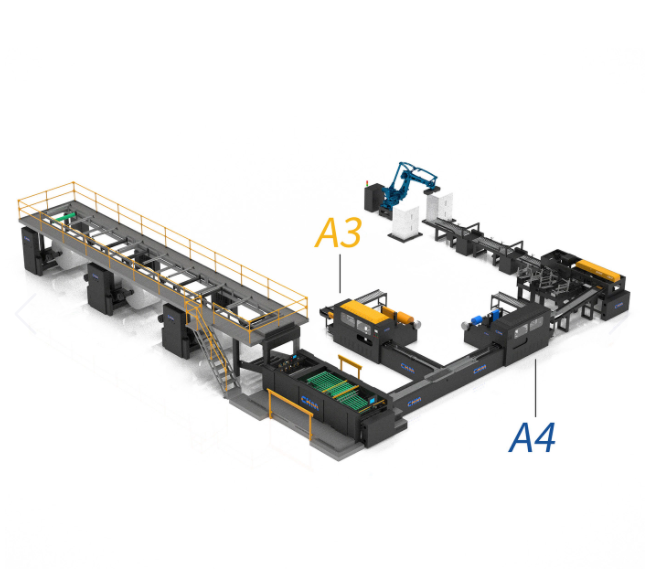
One of the standout features of a copy paper cutting machine is its automation. These machines often utilize Programmable Logic Controllers (PLCs), which play a crucial role in ensuring precise length settings and accurate counting of sheets.
How PLCs Enhance Performance:
● PLCs allow for easy adjustments to cutting lengths, accommodating various paper sizes.
● They enable real-time monitoring of the cutting process, ensuring consistent quality.
● Automation reduces the need for manual intervention, which minimizes errors.
The benefits of automation extend beyond just precision. It significantly boosts production efficiency, allowing businesses to meet high demands without compromising quality. By automating repetitive tasks, operators can focus on more strategic aspects of their work, enhancing overall productivity.
Cutting technology is at the heart of any copy paper cutting machine. For instance, models like the CHM-SGT1700 utilize advanced double rotary knife cutting technology. This innovative design features spiral knife grooves that ensure smooth and clean cuts.
Why Precision Matters:
● Precision cutting is essential for maintaining the quality of paper products.
● High accuracy prevents issues such as paper jams and misalignments, which can disrupt production.
● Consistent cut quality is vital for customer satisfaction, especially in printing applications.
With this technology, manufacturers can achieve high-quality outputs while handling multiple layers of paper simultaneously. This capability is particularly beneficial for businesses looking to maximize efficiency without sacrificing quality.
Speed is another critical feature of copy paper cutting machines. Different models offer varying speeds, with the CHM-A4 series boasting impressive speeds of up to 300 meters per minute. This rapid processing capability allows businesses to increase their output significantly.
Impact of Speed on Operations:
● Higher speeds lead to shorter production cycles, enabling companies to fulfill orders faster.
● Speedy operations can reduce labor costs, as fewer workers are needed for the same volume of production.
● Quick turnaround times can improve customer satisfaction and lead to repeat business.
Model | Maximum Speed (m/min) | Suitable For |
CHM-A4-2 | 250 | Medium-scale production |
CHM-A4-4 | 300 | High-efficiency batch runs |
CHM-SGT1700 | 200 | Precision cutting for quality |
Safety is paramount in any industrial setting, and copy paper cutting machines are designed with this in mind. Compliance with safety standards is a key aspect of their design. For example, machines often include protective covers for blades, which help prevent accidents during operation.
Importance of Safety Measures:
● Protective features reduce the risk of injuries, ensuring a safer working environment.
● Safety interlocks can halt operations if guards are opened, preventing operator exposure to moving parts.
● Regular maintenance and safety checks are essential to ensure these features function correctly.
By prioritizing safety, manufacturers can create a reliable work environment, allowing operators to focus on their tasks without unnecessary risks. This attention to safety ultimately contributes to smoother operations and higher productivity levels.
One of the primary benefits of a copy paper cutting machine is its ability to significantly increase production efficiency. These machines streamline the cutting process, allowing businesses to operate at a much faster pace.
Streamlining the Cutting Process:
● Automated systems reduce the time spent on manual tasks.
● Precise cutting minimizes the need for rework, which can slow down production.
● Operators can focus on monitoring and quality control rather than performing repetitive cutting tasks.
Additionally, the reduction in manual labor leads to fewer errors. When machines handle the cutting, the consistency of each sheet improves, ensuring that businesses maintain high standards in their products. This efficiency not only saves time but also enhances the overall workflow within the production environment.
Investing in a copy paper cutting machine often results in substantial long-term savings. While the initial purchase may seem significant, the reduction in labor costs and material waste quickly offsets this expense.
Long-Term Savings Analysis:
● Labor Savings: Fewer workers are needed to operate automated machines compared to manual cutting methods. This can lead to lower payroll expenses.
● Material Waste Reduction: Precision cutting minimizes scrap, making the best use of raw materials.
Here’s a quick cost comparison between manual and automated cutting:
Aspect | Manual Cutting | Automated Cutting |
Labor Costs | Higher due to more operators needed | Lower, fewer operators required |
Material Waste | Higher due to inaccuracies | Lower, precise cuts reduce waste |
Initial Investment | Lower upfront cost | Higher upfront cost |
Long-Term Savings | Minimal | Significant over time |
Another significant benefit is the versatility of copy paper cutting machines. They can handle various paper types and sizes, making them suitable for different production needs.
Handling Different Paper Types:
● These machines can efficiently process high-grade copy paper, writing paper, and specialty papers, adapting to the specific requirements of each type.
● Customization options allow businesses to adjust settings for different core diameters, ensuring compatibility with various paper rolls.
Customization Options:
● Users can modify the cutting width and length based on their project needs.
● Some models offer features to switch between different types of paper quickly, enhancing flexibility in production.
This versatility makes copy paper cutting machines an invaluable asset for businesses looking to meet diverse customer demands while maintaining high efficiency and quality standards.
When selecting a copy paper cutting machine, several factors come into play. Understanding your specific needs is crucial for making the right choice.
Production Volume Requirements:
● Assess how much paper you need to cut daily. Machines vary in their output capacity, so knowing your volume helps narrow down options.
● For high-demand environments, consider models designed for heavy-duty use.
Types of Paper to Be Processed:
● Different machines handle various paper types, such as high-grade copy paper, cardstock, or specialty papers.
● Ensure the machine you choose can accommodate the specific sizes and weights of the materials you plan to work with.
Budget and Investment Considerations:
● Evaluate your budget carefully. While automated machines might have a higher upfront cost, they often lead to savings in the long run.
● Factor in maintenance costs and potential upgrades when considering your investment.
Several models stand out in the market, each offering unique features tailored to different production needs. Here’s a closer look at some popular options:
Model | Key Features | Ideal For |
CHM-A4-2 | A4 cutting + automatic packaging | Businesses needing efficient A4 processing |
CHM-A4-4 | High-efficiency batch production with 4-roll unwinding | Medium to large operations requiring high output |
CHM-A4-5 | Higher output model for larger operations | Large-scale operations needing maximum efficiency |
CHM-A4-2: This model excels in cutting A4 sheets while integrating automatic packaging, making it perfect for businesses focused on efficiency.
CHM-A4-4: Designed for high-efficiency batch production, this machine features a 4-roll unwinding system, allowing for seamless operation in medium to large settings.
CHM-A4-5: As a higher output model, the CHM-A4-5 is ideal for larger operations, providing exceptional performance for businesses that require extensive paper processing.
Real-world experiences can provide valuable insights into the performance and reliability of copy paper cutting machines. Many users have shared their success stories after implementing these machines in their workflows.
Feedback from Users:
● Efficiency Gains: Users report significant improvements in production speed and reduced labor costs, thanks to automation.
● Reliability: Many customers praise the durability and consistent performance of models like the CHM-A4 series, stating they handle high volumes without issue.
● Versatility: Feedback highlights the adaptability of these machines for various paper types, making them a great investment for diverse businesses.
Case Study Example: A mid-sized printing company upgraded to the CHM-A4-4 model and reported a 30% increase in output within the first month. They noted that the automatic features reduced downtime and improved overall workflow efficiency.
By considering these factors, exploring popular models, and reviewing customer testimonials, businesses can make informed decisions when choosing the right copy paper cutting machine for their needs.
Maintaining a copy paper cutting machine is essential for ensuring its longevity and optimal performance. Regular maintenance practices can prevent breakdowns and costly repairs, keeping your operations running smoothly.
Importance of Routine Checks:
● Routine checks help identify potential issues before they escalate into major problems.
● Regular servicing can enhance the machine's efficiency, ensuring consistent output quality.
● It’s advisable to follow the manufacturer’s maintenance schedule for the best results.
Tips for Extending Lifespan:
● Clean the Machine Regularly: Dust and debris can accumulate, affecting performance. Regular cleaning helps maintain efficiency.
● Lubricate Moving Parts: Keeping parts well-lubricated reduces wear and tear, ensuring smoother operation.
● Inspect Blades and Components: Regularly check the blades for sharpness and replace them as needed to maintain cutting precision.
After purchasing a copy paper cutting machine, having access to solid after-sales support is crucial. This support can significantly impact the reliability and efficiency of your operations.
Overview of Support Options:
● Installation Services: Professional installation ensures the machine is set up correctly for optimal performance.
● Training Programs: Comprehensive training helps operators understand the machine’s features, maximizing its potential.
● Troubleshooting Assistance: Quick access to troubleshooting resources can minimize downtime in case of issues.
Importance of Customer Service:
● Good customer service builds trust and ensures that businesses can rely on their equipment.
● Responsive support teams can quickly address any concerns, enhancing productivity.
Companies like CHM stand out for their commitment to providing “full life cycle technical support and services.” This approach ensures that customers receive ongoing assistance throughout the machine’s lifespan.
Support Features Offered by CHM:
● Technical Support: Access to skilled technicians for maintenance and repairs.
● Upgrades and Updates: Information on software updates and hardware upgrades to keep machines current.
● Resource Availability: Access to manuals, FAQs, and online resources for self-service support.
By prioritizing regular maintenance and leveraging after-sales support, businesses can ensure their copy paper cutting machines operate efficiently, enhancing productivity and reliability in their operations.
In summary, a copy paper cutting machine is essential for efficient paper processing. These machines boost production efficiency, reduce labor costs, and enhance precision. Investing in one can lead to significant long-term benefits for businesses.
Consider the advantages they offer, such as versatility and reliability.
Explore available models, request quotes, or contact us for more information to find the perfect solution for your needs.
A: The cost varies widely, typically ranging from a few thousand to tens of thousands of dollars, depending on features.
A: Installation usually takes a few hours, depending on the model and complexity of the setup.
A: These machines can process various papers, including high-grade copy paper, cardstock, and specialty papers.
A: With proper maintenance, these machines can last 10 to 15 years or more.
A: Regular maintenance, proper training for operators, and upgrading components can enhance efficiency.


