 English
- All
- Product Name
- Product Keyword
- Product Model
- Product Summary
- Product Description
- Multi Field Search
English


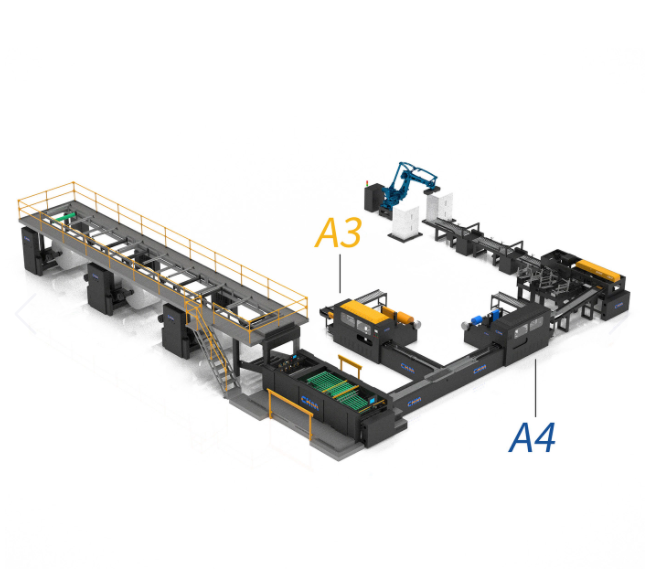
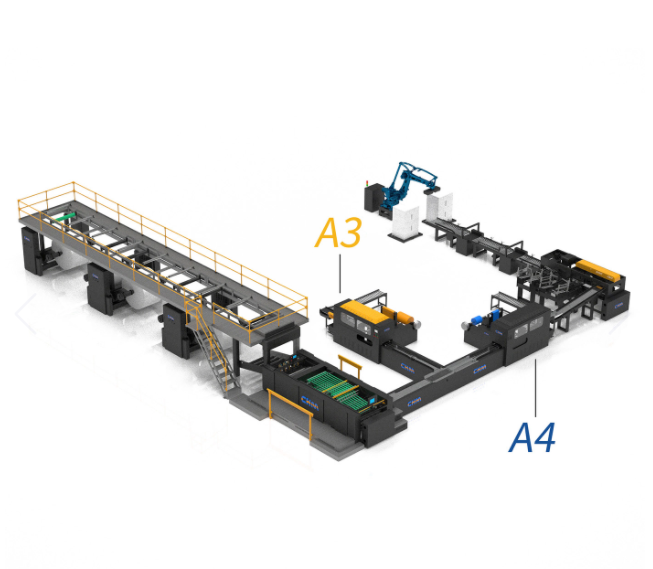

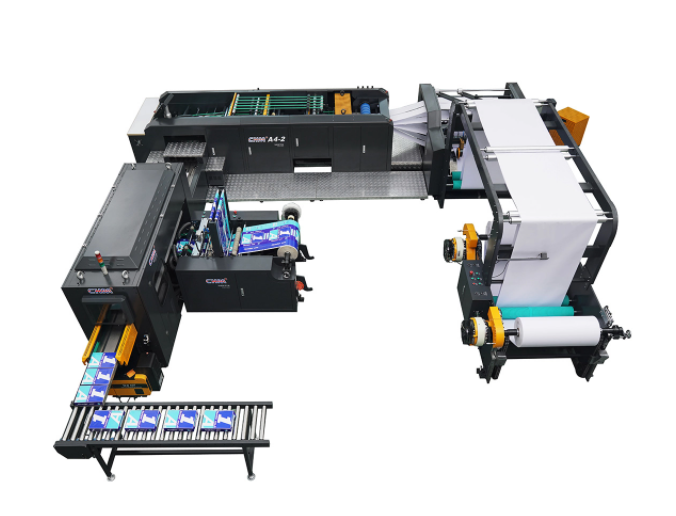

Category: Single Knife Paper Cutting Machine
Drive: Hydraulic
Automation: Automatic, computerized operation
Interface: 16-inch touch screen for clear setup and repeat jobs
Throughput: 45 cuts/min for commercial workloads
Capacity: Max cutting width/length 92–188 cm, max cutting height 165 mm
Blade: HSS for crisp, consistent edges
Export shipping: Packed in export standard wooden box
| Quantity: | |
|---|---|


In a commercial copy-paper line, cutting is where profits are either protected or quietly lost. A small drift in positioning or a clamp that doesn’t hold evenly can create stacks that look fine at a glance but fail later in wrapping, boxing, or customer inspection. Hydraulic Powered Copy Paper Cutting Machine For Commercial Use is designed to keep that risk under control. Hydraulic power provides a steady cutting action that feels composed rather than abrupt, helping the operator maintain a smooth rhythm across long shifts.
Imagine the workflow during a busy day: stacks are aligned, the clamp settles down with a firm, controlled pressure, and the cut completes with a clean, confident sound. The 16-inch touch screen keeps settings readable and reduces “eyeballing,” which is one of the biggest sources of sizing mistakes in fast-paced shops. When your team can repeat sizes reliably, you spend less time sorting, re-trimming, and explaining defects, and more time shipping consistent product. This is built for B2B environments where customers judge you by edge quality, squareness, and delivery speed.
Hydraulic cutting power that stays stable across thick stacks, supporting cleaner edges and more predictable results
Computerized operation that reduces manual measurement errors and shortens changeover time between different sizes
45 cuts per minute to support high-volume runs and reduce cutting as a production bottleneck
HSS blade designed for durability and consistent shearing on copy paper and common commercial stocks
Wide model range with 92–188 cm max cutting width/length so buyers can match capacity to plant layout and order mix
High clamping force options that help prevent stack shift, improving corner accuracy and reducing edge “shadowing”
Export standard wooden box packaging to reduce transit risk and protect commissioning schedules
Capacity must match how real factories work, not just what fits on paper. This machine supports a maximum cutting height of 165 mm, allowing practical stack processing for copy paper conversion, print finishing, and packaging preparation. The model-dependent maximum cutting width and length range of 92–188 cm gives you flexibility to choose a configuration that aligns with your sheet format and floor space. For operations that handle multiple formats, selecting the right width range reduces awkward repositioning and saves labor time.
Throughput is built around continuous production. At 45 cuts per minute, the cutter supports stable pacing during long runs, especially when integrated with standard shop processes like jogging, staging, and ream packaging. Clamping pressure options from 30,000 N to 70,000 N are important for production consistency because stack stability is a primary driver of cut quality. With appropriate clamping force, sheets are less likely to slip or fan, which reduces rework and helps downstream packaging run smoother.
Commercial buyers rarely ask for “accuracy” in abstract terms. What they want is fewer rejected stacks, fewer re-cuts, and fewer customer complaints about size variation. Computerized operation supports repeatability by reducing the small, frequent mistakes that happen in manual settings: misread measurements, inconsistent stop positions, and adjustment drift between operators or shifts. The 16-inch touch screen also improves clarity during setup, making it easier to confirm cutting targets before material is committed.
Waste control shows up in multiple ways. When stacks are square and edges are clean, ream wrapping becomes more consistent, cartons close properly, and pallets look professional. When sizes are repeatable, quality control becomes simpler because checks are faster and more reliable. Over time, this helps B2B suppliers stabilize their process, document standards for key customers, and reduce the hidden costs of overtime and scrap that often come from cutting variability.
Hydraulic paper cutting is a serious industrial process, so responsible operation matters. In commercial environments, buyers expect disciplined workflows that keep hands clear of clamping and cutting zones, plus clear controls that reduce accidental actions. The computerized interface supports structured operation by making job setup and execution more deliberate and easier to verify. For many factories, the most important safety improvement comes from reducing rushed manual adjustments during a run.
To fit shop reality, the machine is designed for consistent routine: align, clamp, cut, repeat. When the process is consistent, training becomes easier and shift-to-shift output becomes more uniform. For organizations with internal audits or compliance requirements, it’s recommended to specify safety configuration needs during procurement and implement standard operating procedures for alignment, blade handling, and daily checks.
A buyer can feel the difference between a cut that is merely acceptable and a cut that is truly production-grade. A good cut looks sharp, corners are crisp, and stacks stay neat rather than developing a slight “wave” from shifting. The HSS blade material supports durability and consistent shearing performance, which helps maintain edge quality across high-volume work. In practical terms, this reduces the frequency of blade changes and limits the performance drop that often appears right before maintenance.
For B2B operations, blade decisions are total-cost decisions. The longer a blade holds its edge, the less downtime you experience, the less scrap you create during setup after maintenance, and the easier it is to keep finishing from becoming the bottleneck. Combined with hydraulic drive, the cutting action is engineered to feel controlled and stable, supporting consistent results on thick stacks where weaker systems often show variance.
Commercial cutting lines succeed when maintenance is predictable. The most efficient machine is the one that stays productive with planned care rather than reactive fixes. This cutter supports industrial operation and offers model-dependent options for motor power, clamping pressure, and overall weight so buyers can choose a configuration that matches workload. Selecting the correct configuration is a practical way to protect uptime, because consistently running a machine at the edge of its capacity increases wear and increases the chance of unplanned stops.
Uptime planning should include routine cleaning, scheduled inspection, and tracking of blade condition. Many operations also keep key consumables and wear items on hand to avoid losing production days to shipping delays. Export standard wooden box packaging helps reduce transportation risk, which protects commissioning schedules and helps ensure the machine arrives ready for installation and setup.
This machine is designed for organizations that treat cutting as a production stage, not a one-off task. Typical applications include copy paper conversion and packaging lines, commercial print shops, finishing departments, and office supply operations that require uniform sizes at scale. It also fits environments where consistent stack quality is essential because downstream processes depend on clean, square edges.
A common workflow integration approach is straightforward: staged stacks are jogged and aligned, cutting is performed in repeatable sequences, and finished stacks move into counting, reaming, wrapping, and boxing. When cutting is consistent, the entire line becomes calmer. Operators spend less time correcting problems and more time sustaining throughput, which is exactly what B2B buyers want when they’re optimizing labor cost and delivery performance.
We focus on paper processing machinery for commercial and industrial users, with an emphasis on repeatability, throughput, and practical manufacturing needs. Our approach is to match configuration to workload: cutting width, cutting height, clamping force, and motor power should reflect the material mix and production volume, not generic assumptions. That helps buyers avoid paying for unnecessary capacity while still protecting reliability.
We also build for export delivery expectations, using export standard wooden box packaging to reduce shipping risk. Beyond the machine itself, we support B2B decision-making with clear parameter definitions, application matching, and procurement-ready information so engineering, production, and purchasing teams can evaluate and align quickly.
What is the cutting speed
The machine supports 45 cuts per minute, designed for commercial throughput and continuous production rhythm.
What powers the cutting process
It uses hydraulic drive, which helps deliver stable cutting action and consistent performance on thick stacks.
Is it computerized
Yes. It is computerized and uses a 16-inch touch screen to support clear setup and repeat job handling.
What cutting sizes does it support
Max cutting width and length are 92–188 cm depending on model. Max cutting height is 165 mm.
What is the minimum cutting size
Without a false plate, the minimum cutting size is 25–30 mm. With a false plate, the minimum is 90 mm.
What information is needed for a quotation
Provide your largest sheet size, typical stack height per cut, daily volume, paper grades, and plant space constraints so the correct model configuration can be selected.
| Parameter | Value |
|---|---|
| Category | Single Knife Paper Cutting Machine |
| Drive Type | Hydraulic |
| Type | Industrial Cutter |
| Blade Material | HSS |
| Computerized | Yes |
| Cutting Height | 16.5 cm |
| Touch Screen | 16-inch |
| Automation Level | Automatic |
| Cutting Speed | 45 cuts per minute |
| Packaging | Export standard wooden box |
| Max Cutting Width | 92cm - 188cm depending on model |
| Max Cutting Length | 92cm - 188cm depending on model |
| Max Cutting Height | 165mm |
| Min Cutting Size without false plate | 25mm - 30mm |
| Min Cutting Size with false plate | 90mm |
| Front Table Length | 63.2cm - 75cm depending on model |
| Max Clamping Pressure | 30,000N - 70,000N depending on model |
| Main Motor Power | 3KW - 8.5KW depending on model |
| Net Weight | 2,300Kg - 6,600Kg depending on model |
| Gross Weight | 2,500Kg - 7,400Kg depending on model |


